
From the lecture hall
to the loading dock.
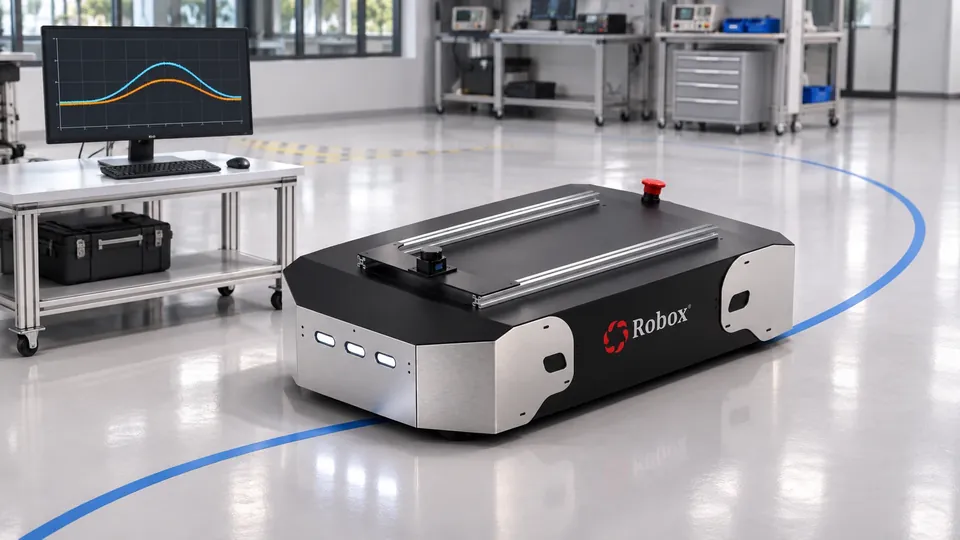
A two-wheel differential UGV built for university research and industrial prototyping. It bridges a classroom teaching tool and a working logistics platform, on one ROS 2 base.
- 100 kg
- Rated payload
- 1 m/s
- Max speed
- 6–10 h
- Continuous operation

See Cruiser 2.0 in Action
A Teaching Tool That Does Real Work

A Teaching Tool for a Multi-Year Curriculum
Cruiser 2.0 is designed for university research, with everything students need to go from their first drive to their own navigation stack.
- Ships fully assembled, plug-and-play
- Supports a multi-year robotics curriculum
- Built for university research labs
What It's Made Of
Every part students will read from, drive, or build on.

Top-mounted compartment for the payloads you build on.
Six Labs You Can Run Right Here
Built for a multi-year robotics curriculum. Each lab below is the same experiment students run on Cruiser, simulated so you can try it now.
Forward & Inverse Kinematics
Exploring forward and inverse kinematics: how wheel velocities become robot motion, and back.
v = (vR + vL) / 2 = 0.55 m/sω = (vR − vL) / L = 0.60 rad/s- Turn radius
- 0.92 m
- Heading after 3 s
- 103°
- Set both wheels to the same speed. It drives straight.
- Set them equal and opposite. It turns on the spot.
- Switch to Inverse, ask for a turn, and read off the wheel speeds.
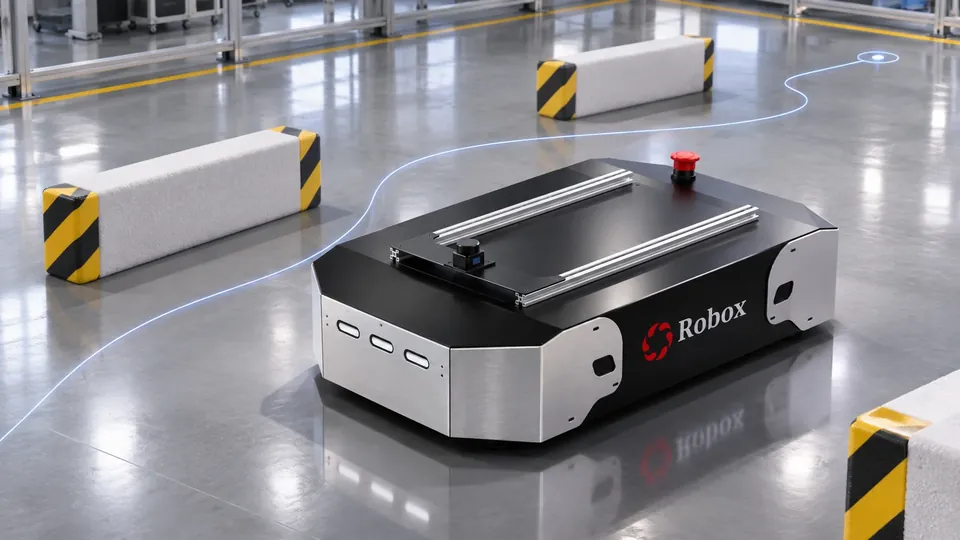 On the real robot
Open From the Drivers Up
Ubuntu 24.04 LTS and ROS 2 Jazzy Jalisco come pre-configured. Pick a layer to see what's in it.
What the software reads from and drives.
Everything in the Kit
What comes with each Cruiser 2.0.
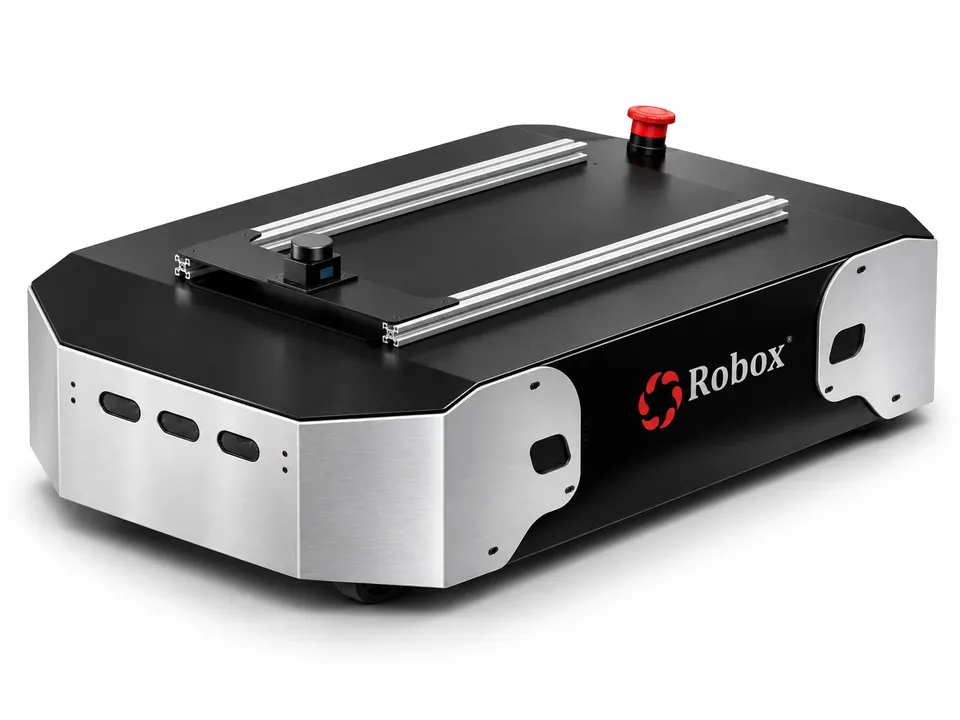
Cruiser 2.0 Base
High-strength UGV chassis with integrated hub motors and a 100 kg load rating.
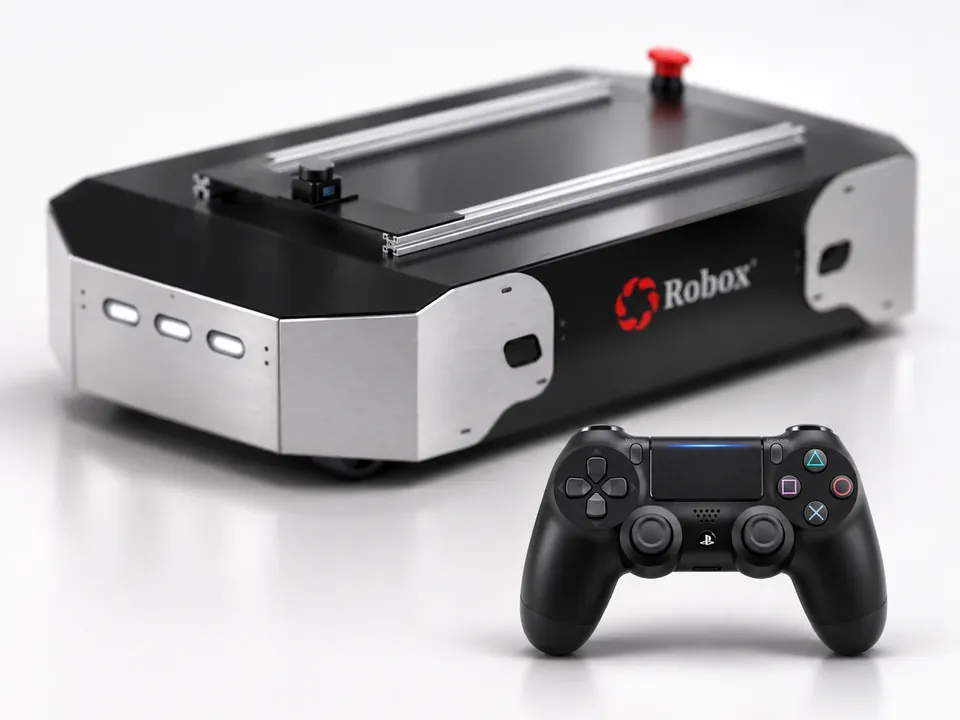
Control Kit
PS4 wireless joystick for manual teleoperation and safety override.
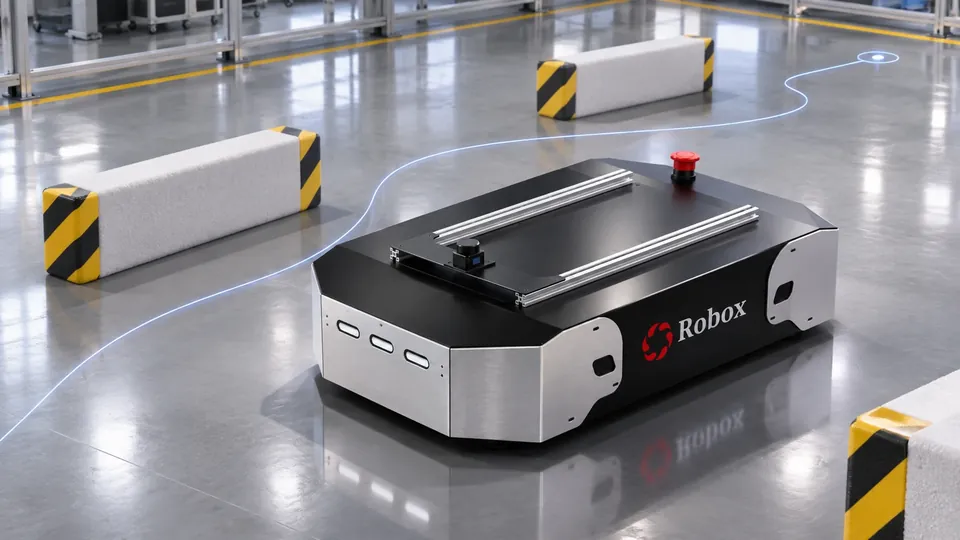
Development Kit
Full access to the C++ chassis drivers, Python APIs, and the ROS 2 workspace.

Educational Pack
Lab manual, step-by-step experiments, operation manual, sample navigation code, and the URDF model.
Computing Unit
Pre-configured with Ubuntu 24.04 LTS and ROS 2 Jazzy.

Perception Kit
360° LiDAR and an integrated 9-axis IMU for SLAM and localization.
Technical Details
See It Up Close
Ready to Elevate Your Lab’s Robotics Capabilities?
Speak directly with a product expert to request a custom tender quotation.
- Designed & built in-house
- Local engineering support
- Ready for your lab

Cruiser 2.0 is designed and built by Robox Industries.